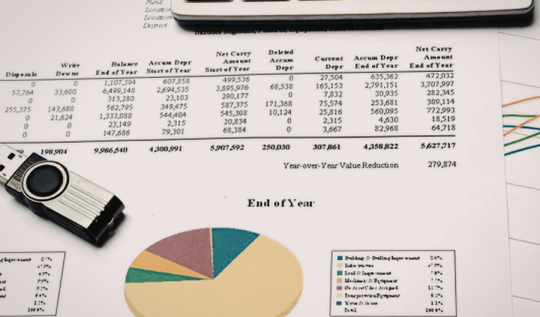
Managing an HOA means making smart, informed decisions — and that starts with understanding your financial reports. As a board member, you have a legal and ethical responsibility to ensure your community’s financial health. This guide breaks down the key components of HOA financial reporting and how professional management brings clarity and accountability to the process.
What Are HOA Financial Reports?
HOA financial reports provide a clear picture of your association’s financial standing. These reports guide decisions about budgeting, reserves, spending, and long-term planning.
Most HOA boards receive reports monthly or quarterly, which typically include:
- Balance Sheet
- Income Statement (Profit & Loss)
- General Ledger
- Accounts Payable and Receivable
- Bank Reconciliations
- Reserve Fund Report
- Delinquency (Aging) Report
Understanding these reports helps ensure your board stays compliant, transparent, and financially sound.
Key HOA Financial Reports You Should Understand
1. Balance Sheet
The balance sheet is a snapshot of your HOA’s financial position at a specific point in time. It shows:
- Assets: Cash in bank accounts, reserve funds, receivables
- Liabilities: Unpaid invoices, outstanding loans, deferred revenue
- Equity: Net worth of the association (assets minus liabilities)
Pro Tip
If liabilities consistently exceed assets, it may be time to reevaluate the budget or increase reserve contributions.
2. Income Statement (Profit & Loss)
This report compares your association’s income and expenses over a set period (usually monthly, quarterly, or annually). It includes:
- Assessment income
- Administrative and maintenance expenses
- Reserve contributions
Pro Tip
Review actual vs. budgeted figures. Significant variances should be explained by your property manager.
3. General Ledger
The general ledger is a detailed list of every transaction made — like a checkbook for the HOA.
Pro Tip
This is your go-to resource if you need to verify a charge or trace where funds were spent.
4. Accounts Receivable / Delinquency Report
This report tracks which homeowners are behind on dues and by how much.
Pro Tip
High delinquencies can impact cash flow and delay services. Work with your manager to implement clear collection policies.
5. Reserve Fund Report
This shows how much money your HOA has saved for future major repairs or replacements — like roof replacement, asphalt resurfacing, or pool repairs.
Pro Tip
Underfunded reserves can lead to unexpected special assessments. Use a reserve study to guide annual contributions.
Why HOA Reserve Funds Matter
Reserve funds are essential for long-term community stability. They help avoid financial emergencies and protect property values.
Strong reserve funding:
- Reduces the need for special assessments
- Ensures timely repairs and replacements
- Increases confidence among homeowners and buyers
A well-structured HOA budget guide should always include a reserve funding plan. A qualified management company will help align your budget with your reserve study.
The Role of Financial Transparency
Board members have a fiduciary duty to the community. That means decisions must be made in the best interest of all homeowners — and that starts with clear, accurate financial reporting.
A professional HOA management company supports transparency by:
- Reconciling accounts monthly
- Providing budget variance reports
- Preparing clean, easy-to-read financial packages
- Offering digital portals for 24/7 access
- Ensuring legal compliance with HOA financial laws
HOA Financial Best Practices for Boards
To keep your association financially healthy and transparent, follow these best practices:
- Review financial reports monthly or quarterly
- Ask questions — don’t approve financials blindly
- Use reports to guide smart decisions
- Share financial summaries with homeowners to build trust
- Partner with a management company that values accuracy and openness
Final Thoughts
Understanding your HOA’s financial reports is key to protecting the community, making sound decisions, and earning homeowner trust. It’s not just about numbers — it’s about governance, transparency, and long-term stability.
Ready to Take Control of Your HOA’s Finances?
If your board needs help with HOA financial reporting, budget planning, or reserve fund management, we’re here to help.
Contact ACCU today for a free consultation and see how we bring clarity and confidence to HOA financials.